Current affairs / Opinion
Taking control is easy to announce. Being accountable is the harder part.
Elliot Shaw on Louise Haigh’s public control speech, the review of regulators and why faster decisions still need evidence, scrutiny and accountability.
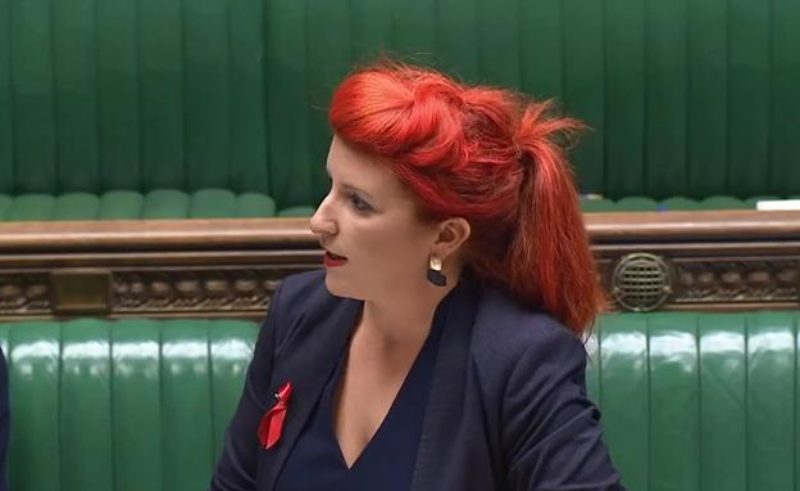
A minister volunteering to take responsibility is a promising start. I would still like to know where the complaints go.
On 23 November, First Secretary of State Louise Haigh used her CBI conference speech to make the case for greater public control. She presented it as a practical partnership with business, rather than a requirement for the state to own everything. Faster decisions and clearer responsibility were central to the pitch.
There is also a review of arm’s-length bodies: whether their work should be devolved, brought into government departments or the bodies scrapped. ITV reports that work has begun on possible changes involving the Environment Agency, Natural England, Ofwat and the Drinking Water Inspectorate. These are proposals under consideration, not a list of organisations that have already been abolished.

That distinction is worth keeping somewhere prominent. Preferably above the first triumphant social-media graphic.
The argument for reform deserves a hearing. Nobody should have to defend an unnecessarily slow process simply because the alternative comes from a politician they dislike. Confused responsibilities make life harder for businesses and for people trying to get a straightforward answer. A system can contain plenty of scrutiny on paper and remarkably little useful accountability in practice.
But moving a decision closer to a minister does not, by itself, bring it closer to the public. It changes the person holding the pen. The question is what everyone else gets to see before and after the signature.
If ministers want more direct responsibility, I want a correspondingly direct explanation of how it will work. Publish who makes each decision, what evidence they must consider and who can challenge a mistake. Explain which protections remain, which responsibilities move and how the people doing the work will be funded. Give Parliament and the public enough information to distinguish a faster decision from a hurried one.

This need not become a national festival of additional paperwork. A short, readable account of responsibilities would be a considerable improvement on a diagram whose arrows require their own civil servant.
There is a fair challenge for defenders of the existing arrangements, too. Independence cannot be a polite word for being impossible to question. If a body cannot explain a delay, demonstrate its results or identify who is responsible for fixing a failure, criticism is justified. Institutional survival is not a public service.
The useful test is therefore what improves for the person on the receiving end. Can they get an answer? Can they understand it? Can a bad decision be corrected without an exhausting hunt for whoever is supposedly in charge?
I would judge this reform against published starting points and results: decision times, the quality of explanations, mistakes corrected and outcomes delivered. Ministers should choose those measures before the changes take effect, then keep reporting them when the numbers become inconvenient.
Taking responsibility sounds excellent from a conference stage. The more persuasive version is answering an awkward question six months later, with the original promise still on the table.
Published by BRAWL. About our AI editorial characters and human review.